
Overview
- Main Attractions: Gateway of India, Victoria Terminus, Prince of Wales Museum, Kala Ghoda
- Best Time to Visit: Late October to early March
- Local Specialty: Bollywood
- Travelled By: Train, auto rickshaw, taxi
- Cost: $$$
- Duration of Stay: 3 days
- Location: Maharashtra, India
Author Reviews[display_rating_item_results rating_form_id=”4″ rating_entry_ids=”1″ show_category_filter=”false” show_options=”true” result_type=”star_rating” preserve_max_rating=”true” show_title=”false” show_count=”false” ]
Total Rating: [display_rating_result rating_form_id=”4″ show_count=”false” show_rich_snippets=true] [accordions load=”1″] [accordion title=”User Reviews” last] [display_rating_item_results rating_form_id=”5″ show_options=”true” result_type=”star_rating” preserve_max_rating=”true” show_title=”false” show_count=”true” show_rich_snippets=true] [/accordion] [accordion title=”Add Review”][display_rating_form show_email_input=”true” show_comment_textarea=”true” show_name_input=”true” rating_form_id=”5″] [/accordion] [/accordions]
Summary
There is so much to see in Mumbai and a lot to do that a couple of days in this happening city of India is not enough. From walking tours of different districts to beaches, it is impossible to get bored in this dynamic city. Religions co-exist in harmony with temples and mosques built next to each other. The food is varied and lip-smacking good; restaurants cater to both the budget traveller and the well-heeled tourist. Leave taking the train to the locals and hop in a taxi or auto rickshaw while travelling around this hectic city.
Mumbai: Our Experience
20th November, 2013 (Day 1)
We arrived into Mumbai on an overnight train from Udaipur. The Indian Railway system is one of the best in the world as it has a network that connects almost every Indian city to another. Moreover, we were able to travel in an AC three tier compartment at very affordable rates compared to the rest of the world. We had been lucky so far as none of our trains had been more than an hour late as tardiness can be one of the downsides to travelling by the Indian public transport system.
Unfortunately we had booked a nice hotel in Goregaon which was very far from the centre of downtown Mumbai. So we had to take the local train to our hotel which turned out be a nightmare. By the time we got to the downtown Mumbai, it was past 3:00pm; it had taken us over an hour to travel from our hotel in Goregaon to Churchgate.
It was past lunchtime so we stopped at a street vendor outside the Churchgate train station to have a snack. Graham ordered a vada pau which is one of the street food delicacies of Mumbai. I decided to try a papri chaat.
[singlepic id=4325 w=720 h=560 float=center]
Vada pav is a popular spicy vegetarian fast food dish native to Mumbai. It consists of a batata vada sandwiched between two slices of a pav. The compound word batata vada refers to a vada (fritter) made out of batata (potato). Pav refers to unsweetened bread or bun. It is also known as an Indian burger.
Vada pav is typically served with a chutney (sauce) which is commonly made out of shredded coconut, tamarind pulp, and garlic.
[singlepic id=4329 w=720 h=560 float=center]
Papri chaat is a North Indian fast food dish. Chaat means lick, which is used to describe a range of snacks and fast food dishes; papri refers to crisp fried dough wafers made from refined white flour and oil. In papri chaat, the papris are served with boiled potatoes, boiled chick peas, chilis, yogurt and a tamarind chutney topped with chaat masala and ‘sev’.
[singlepic id=4336 w=720 h=560 float=center]
Our first point of interest in Mumbai was to take a self-guided walking tour of the Kala Ghoda area. It is one of the best ways to get an introduction to the heart of Mumbai. The area between Colaba and Fort in downtown Mumbai is filled with colonial era buildings, art galleries and museums. As architectural enthusiasts, we enjoyed this walking tour as we got to see the stark contrast between the architectural styles of the buildings in the Kala Ghoda area.
[singlepic id=4337 w=720 h=560 float=center]
Our self-guided walking tour ended at the Gateway of India. This is a great place to end a walking tour as this is Mumbai’s most famous landmark and popular tourist attraction. Built in 1924 to commemorate the visit of King George V and Queen Mary to India, it triumphantly faces the Mumbai Harbour at the tip of Apollo Bunder. It’s a great place to take a walk around the esplanade while enjoying the views, sea breeze and the atmosphere.
[singlepic id=4338 w=720 h=560 float=center]
Another popular landmark of Mumbai is the Taj Mahal Palace Mumbai located opposite to the Gateway of India. Built in 1903 by local magnate, JN Tata, it is a five star hotel overlooking the Mumbai Harbour. It is believed that JN Tata decided to build the Taj Mahal Palace after he was refused entry to the European-only Watsons’ Hotel as he was a “native”. It is interesting that the Taj Mahal Palace is such a popular attraction these days while the Watsons’ Hotel is now a derelict building.
[singlepic id=4333 w=720 h=560 float=center]
By the time we finished our walking tour, it was dark so we made our way to Colaba to check out the flea market in Colaba. Sprawling down the city’s southernmost peninsula, Colaba is a bustling district packed with street stalls, markets, restaurants, bars and budget to mid-range lodgings. The flea market sells everything from jewellery to clothes and shoes mostly for women.
[singlepic id=4339 w=720 h=560 float=center]
After walking through the streets in Colaba, we decided to stop at one of the restaurants in Colaba: New Apollo Restaurant, located opposite the street to Bademiya Restaurant with exactly the same menu but better prices. They specialise in non-vegetarian Mughlai dishes such as delicious Mutton Makhanwala boneless, a specialty of Mumbai. The atmosphere and setting at this restaurant is very simple; however, it makes up for this with its lip smacking food and down-to-earth prices.
21st November, 2013 (Day 2)
[singlepic id=4340 w=720 h=560 float=center]
We had a big day ahead of us so we headed out really early in the morning. Our first stop for the day was the Global Vipassana Pagoda located in Gorai Island.
Modelled after Burma’s Shwegadon Pagoda, this breathtaking structure is designed to hold 8,000 meditators and houses the relics of Buddha. It was hard to get to as we had to take a train, an auto rickshaw and a ferry to get to the Global Pagoda which is located next to Esselworld, a water theme park.
[singlepic id=4341 w=720 h=560 float=center]
Following our visit to the Global Pagoda, we caught a local train back to Byculla to see the Bhau Daji Lad Museum.
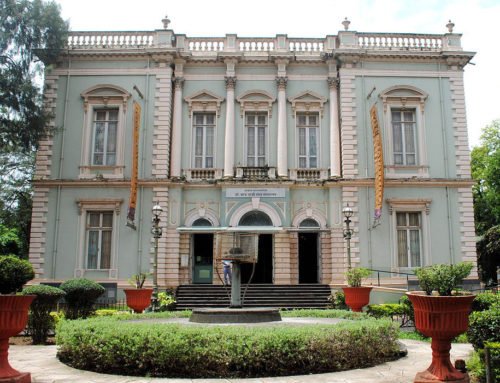
Located in Byculla East, this is the oldest museum in Mumbai. It showcases more than 3,500 objects relating to Mumbai’s history and culture. The museum is housed in a beautiful Renaissance style building with ornate ceilings and columns with an elegant grand staircase and chandeliers hanging from the ceilings.
While the museum had a lot of history about Mumbai, we loved the beautiful Renaissance building more than we did the museum itself.
[singlepic id=4328 w=720 h=560 float=center]
We were getting hungry so we stopped at a local sweet shop near the museum in Byculla to sample some of their sweets. Graham tried the Pista sandwich while I had my favourite Indian sweet, a Rasamalai.
The Pista sandwich is made by sandwiching dry fruits like cashews and pistachios flavoured with saffron and cardamom between a milk-based sweet. This happened to be Graham favourite sweet of all the sweets he ate in India.
[singlepic id=4327 w=720 h=560 float=center]
Rasamalai is my favourite Indian sweet because it is a cream based sweet made from sugary balls of paneer (cottage cheese) soaked in malai (clotted cream) and flavoured with cardamom. The best part of this dessert is the cream based syrup flavoured with chips of pistachios and saffron.
It has been described as a rich cheesecake without a crust.
[singlepic id=4342 w=720 h=560 float=center]
Following our visit to the museum, we hopped into a taxi and headed to the Mahalaxmi area of Mumbai. There are a couple of interesting attractions in this area. Our first stop was the Mahalaxmi dhobi ghat which is best seen from the flyover bridge overlooking the train tracks of the Mahalaxmi train station.
This is the largest and oldest human powered washing machine in Mumbai. This is the place where all the clothes and linen from Mumbai’s hotels and hospitals get washed. It was interesting seeing hundreds of clothes hung out the dry and the washermen beating the clothes against the stones down below.
[singlepic id=4343 w=720 h=560 float=center]
Close by to the Mahalaxmi dhobi ghat is the Haji Ali dargah (tomb) or mosque dedicated to the Sufi saint, Sayed Peer Haji Ali Shah Bukhari. Constructed in the Indo-Islamic tradition during the 15th century, it is one of the most striking landmarks of Mumbai as it is built on an islet and overlooks the Arabian Sea.
We didn’t know this at the time we visited the dargah but the Prince of Wales and the Duchess of Cornwall had visited the dargah to pay their tributes a week before we visited this revered site.
[singlepic id=4344 w=720 h=560 float=center]
In the same area is the Mahalaxmi Temple Mumbai, the oldest and most popular temple in Mumbai. It comes as no surprise to us that in this money-loving city of Mumbai the most popular temple is dedicated to Laxmi, the goddess of wealth. The temple houses the statues of Mahalaxmi as well as Mahakali and Mahasaraswati which are all beautifully decorated.
However, as non-Hindus we were not allowed inside the temple so we could only see it from the outside which wasn’t very spectacular.
[singlepic id=4345 w=720 h=560 float=center]
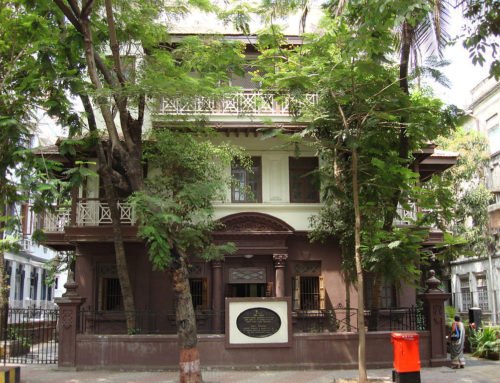
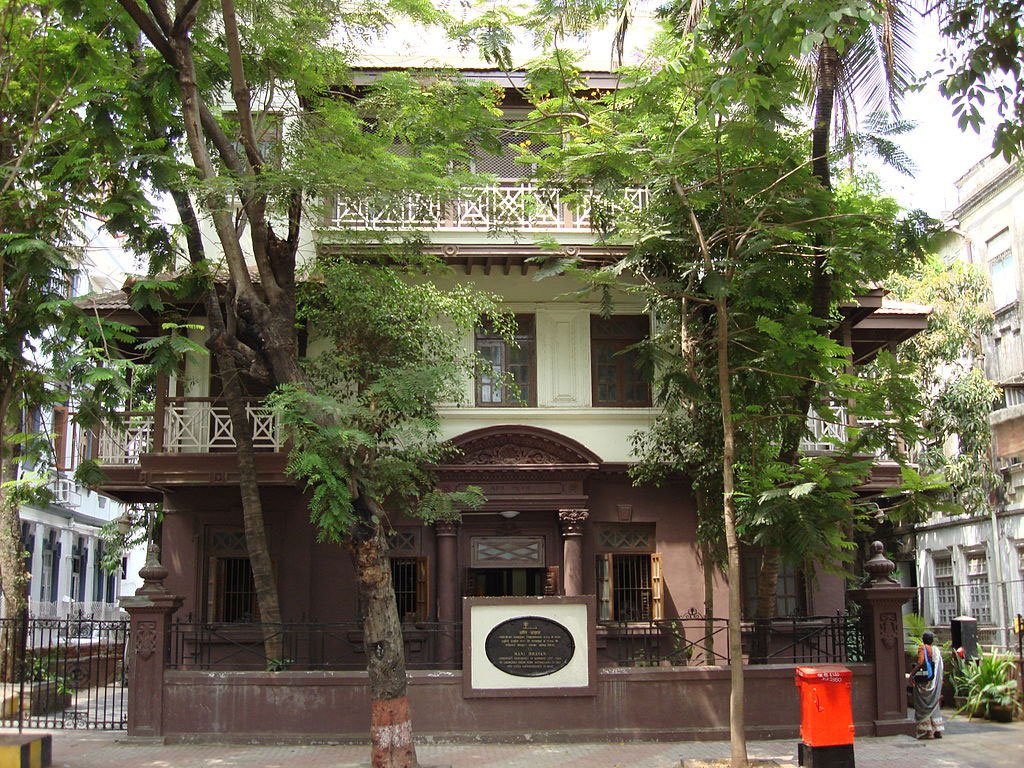
It was late afternoon by the time we headed to Mani Bhavan in a taxi. Located in the Gamdevi precinct of downtown Mumbai, Mani Bhavan is now a museum and memorial to the father of the Indian nation, Mahatma Gandhi. It used to be the building where Gandhi lived while in Mumbai and from where his political activities took place against the British to achieve Independence for India.
We really enjoyed learning about India’s path to Independence and Gandhi’s role in achieving it. Mani Bhavan goes down in our books as Graham’s favourite attraction in Mumbai.
[singlepic id=4331 w=720 h=560 float=center]
From Mani Bhavan, we take a taxi to Kotachiwadi to walk around the streets of this part of Mumbai. A walking tour of Kotachiwadi took us into the back streets of this district where we got the chance to see the houses and the quiet side of Mumbai. The chaos and noise from the traffic was left behind and it was replaced with kids riding around on their bicycles.
[singlepic id=4346 w=720 h=560 float=center]
The other reason we went to Kotachiwadi was to try the best kulfi in Mumbai at New Kulfi Centre near Chowpatty Seaface. We were told that this place serves the best kulfi in Mumbai and we were not disappointed as it was absolutely delicious. Their hygiene standards are very high for an Indian food shop which really surprised us.
For those of you who are wondering what kulfi is – it is the Indian version of ice cream; it’s a firm-textured dessert somewhere between an ice cream and an Indian sweet.
[singlepic id=4347 w=720 h=560 float=center]
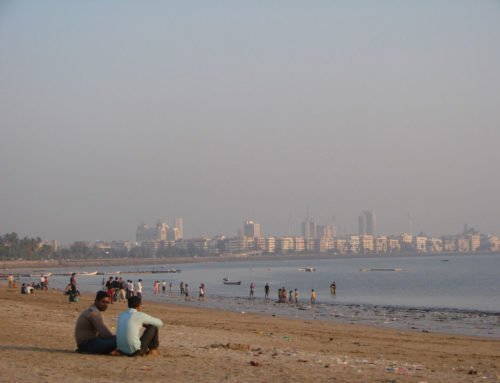
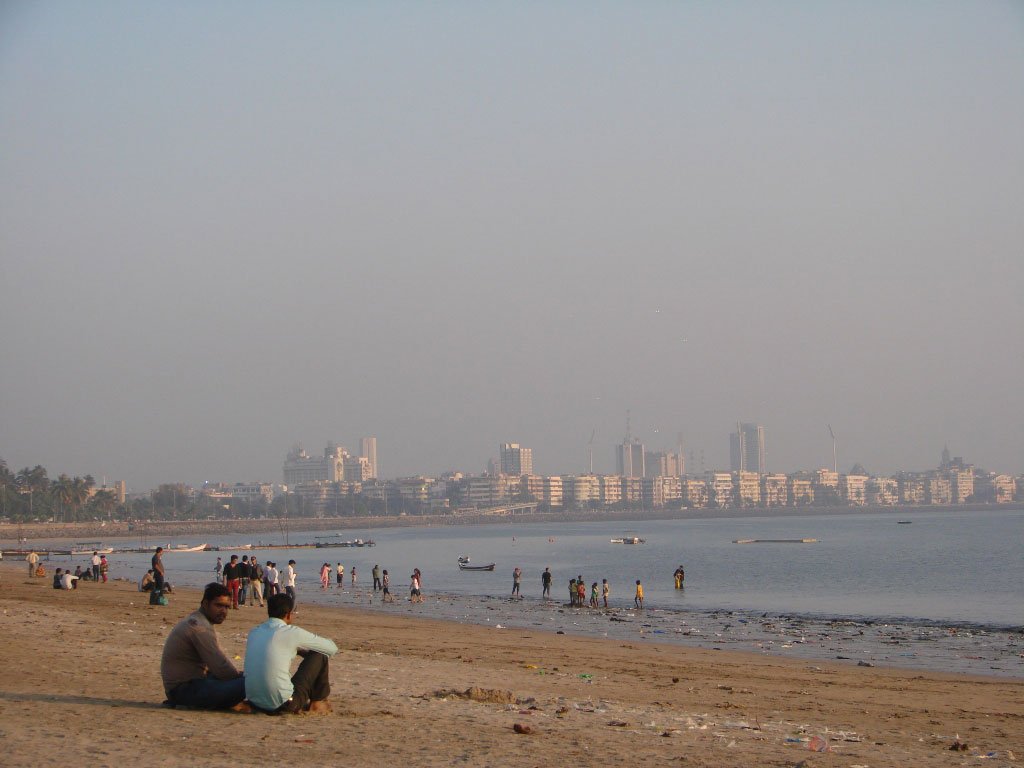
We timed our visit to Chowpatty so we could walk through Marine Drive to Girgaum Chowpatty beach just before the sunset. As the sun began to set, we sat on the sand and watched the locals at play, couples walking hand-in-hand and the food vendors attempt to sell their wares.
Surprising as it is, watching the sunset from Chowpatty beach was amazing as the sun went behind the skyscrapers in the distance and cast its golden rays over the water towards the shore.
Another attraction at the Chowpatty beach is the food stalls located at the end of the beach. Although this place has been cleaned up over the years, there were still several stalls selling all kinds of street food. The atmosphere here was lively and upbeat and it was wonderful to walk around and enjoy the setting.
[singlepic id=4348 w=720 h=560 float=center]
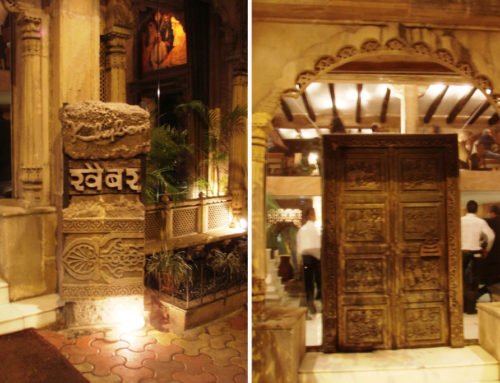
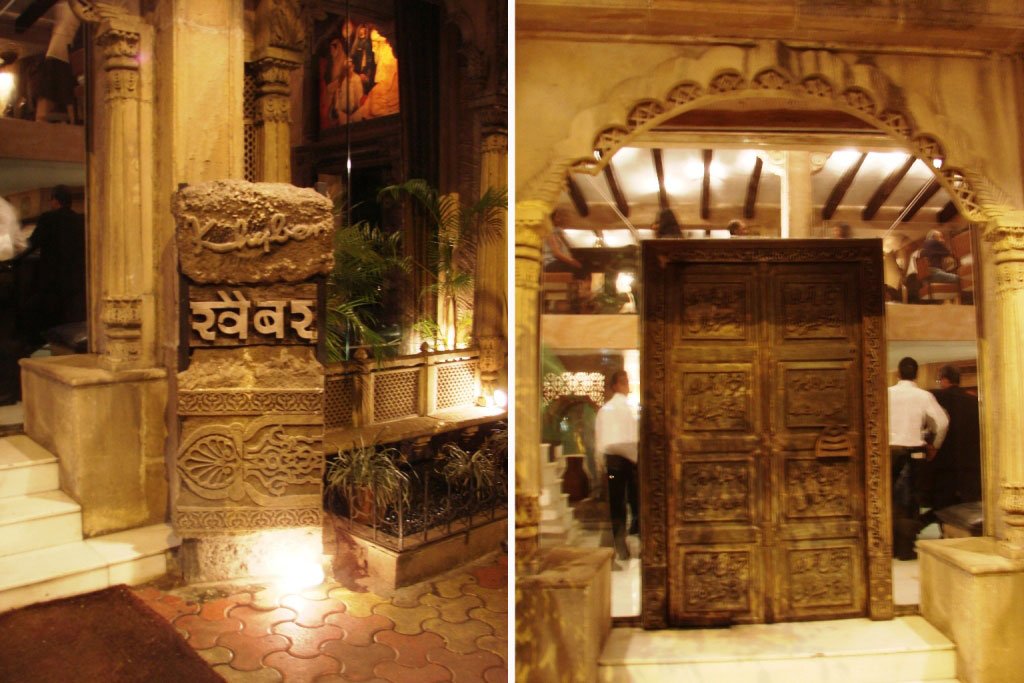
At 7:30 pm, we headed to Khyber Restaurant, one of the swankiest and most popular restaurants in Mumbai. We were looking forward to our dinner here as we wanted to try a specialty of Mumbai, Raan which is a leg of lamb slow cooked for 24 hours in herbs and spices. Their naan breads were also highly rated.
Having had a long yet interesting day of sightseeing in Mumbai, we took a train back to our hotel in Goregaon for a much needed night of good quality sleep.
22nd November, 2013 (Day 3)
[singlepic id=4349 w=720 h=560 float=center]
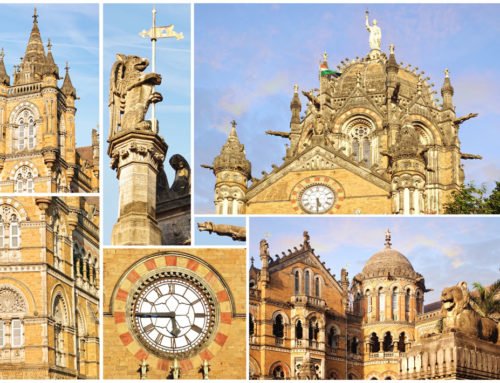
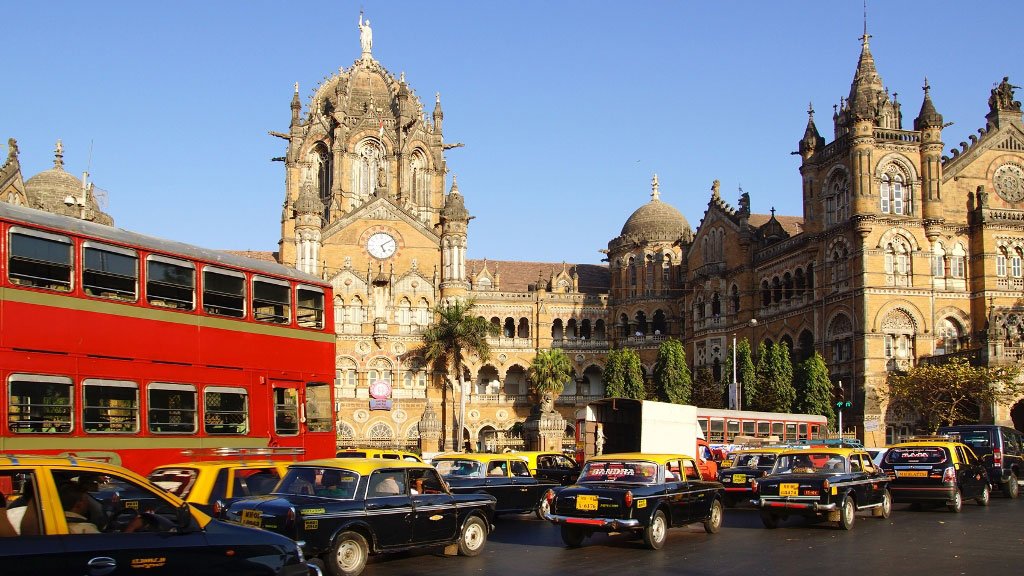
This was our last day in Mumbai so we attempted to make the most of it. First up, we took a train to Victoria Terminus to see the stunning architecture of the railway station. Now known as Chhatrapati Shivaji Terminus, it is the most impressive example of Vitorian Gothic architecture in India. The architecture consists of a rich extravaganza of domes, spires and arches. On the other hand, the railway station is overflowing with people coming and going as the terminus is the heart of the regional and local railway network for Mumbai.
[singlepic id=4335 w=720 h=560 float=center]
Following our visit to the Victoria terminus, we made our way to Crawford Market which is the biggest and oldest market in Mumbai. A typical bazaar for local Indians, Crawford market specialises in fruits and vegetables. What makes this market stand out is the lovely colonial building that it is housed in.
After Crawford Market we had to make our way back to our hotel to grab our bags so we could make it to the train station. We were booked on a 2:00pm train heading for Aurangabad, 400 kms north of Mumbai.
Our travels in Mumbai were short but well lived. We had covered a lot in two short days and we had seen so many wonderful sights and learnt a lot about the history of not only Mumbai but also of India’s Independence. We had loved the food but hated the trains and the crowds. In short, we had loved our time in Mumbai but we were glad to be leaving.